
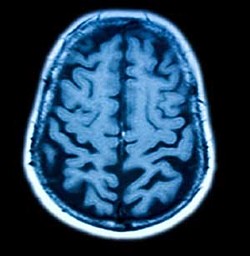
 In an effort to accelerate the development of next-generation automobiles and robots, Toyota is turning to some of Japan's top neuroscientists. According to a December 14 announcement, the automaker has teamed up with the Institute of Physical and Chemical Research (RIKEN) in a 20-year project aimed at researching the human brain and developing neurotechnology-based auto safety systems, sophisticated robots, and machinery that users can operate with their minds.
Toyota and RIKEN will conduct the brain research at the recently established RIKEN BSI-Toyota Collaboration Center, which will initially be staffed by 30 researchers, 5 of whom are from Toyota. The research will fall into three broad categories: (1) neuro-driving research, which focuses on the mental processes at work as drivers perceive, judge and react to the external environment, (2) neuro-robotics research, which focuses on how the brain processes information, and (3) mind-health research, which focuses on the physiology of the brain and nervous system and the relationship between the brain and physical health.
Through the neuro-driving research, which is expected to shed new light on how the brain works as drivers perceive obstacles and operate their vehicles, Toyota ultimately hopes to develop auto safety technology that can completely prevent all traffic accidents.
In addition, the automaker explains that the purpose behind the neuro-robotics research is to develop advanced robots that can interact more effectively with humans. Toyota, which sees robotics as one of its core businesses in the future, has been stepping up efforts in recent years to develop "lifestyle support" androids for use in nursing and health care. The company also believes the research will lead to the development of brain-machine interfaces that allow users to operate equipment by thought.
Toyota explains that the decision to pursue brain research is driven by an ever-increasing demand for more sophisticated automotive and robot technology. With a better understanding of the cognitive mechanisms underlying human feelings, thoughts and actions, the company reckons it can get a head start in the race to develop the cars and robots of the future.
SAFFERNINE
SO.. THIS IS THE FUTURE, CARS THAT READ OUR MINDS AND RESPOND TO CERTAIN SITUATION COGNITIVLY…SO WHEN ARE THEY COMING OUT WILL NIJIA SUITS?
[]Shoovi
Personally I prefer to not to be scanned by anybody, anytime.
[]The most enjoyable thing is to drive 4 wheel drive without any electronics, than you can feel everything. Driver becomes integral part of the vehicle. But form the other hand to drive carefully in the Megalopolis with 400km/h like in I robot computer assistance is necessary. Is it? :)
Hussain
I was told Toyota is definitely recalling 2.4 million vehicles because of gas pedal problems . My uncle owns a Toyota, should the Toyota be driven before being replaced?
[]David Begum
me and my brothers do have lots of passion about automotive stuffs~'`
[]